
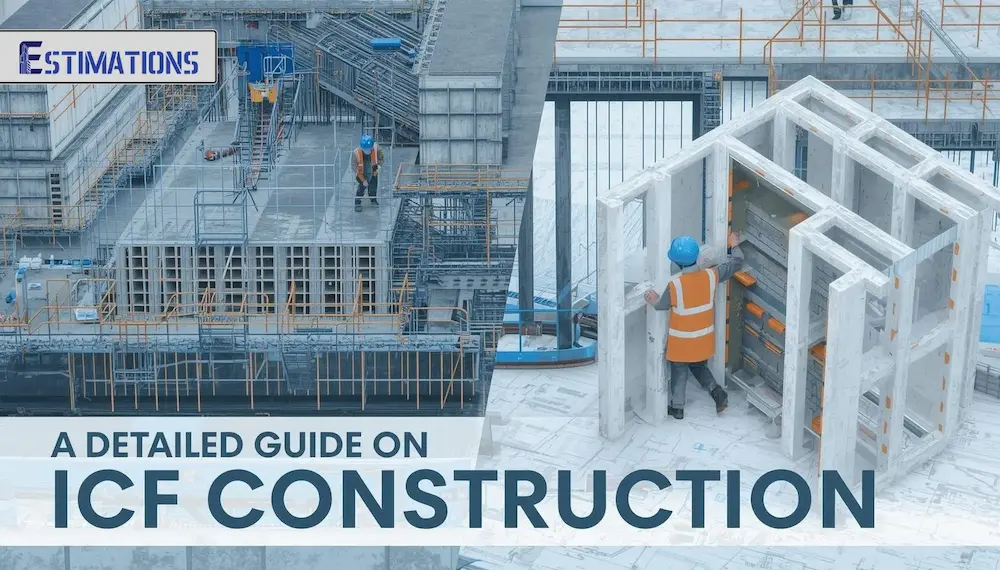
Modern builders are evolving beyond standard framing toward walls that actually work for the homeowner. In the U.S., the Insulated Concrete Form (ICF) market reached $555.3 million in 2024, with a steady 6% annual growth projected through 2034. As of 2025, North America claims a massive 36.6% share of the global market, fueled largely by residential demand.
This data confirms the shift is real: ICF has moved from a specialty choice to a mainstream standard for efficiency and durability. Understanding this technology is now essential for staying competitive in the industry.
What is ICF Construction?
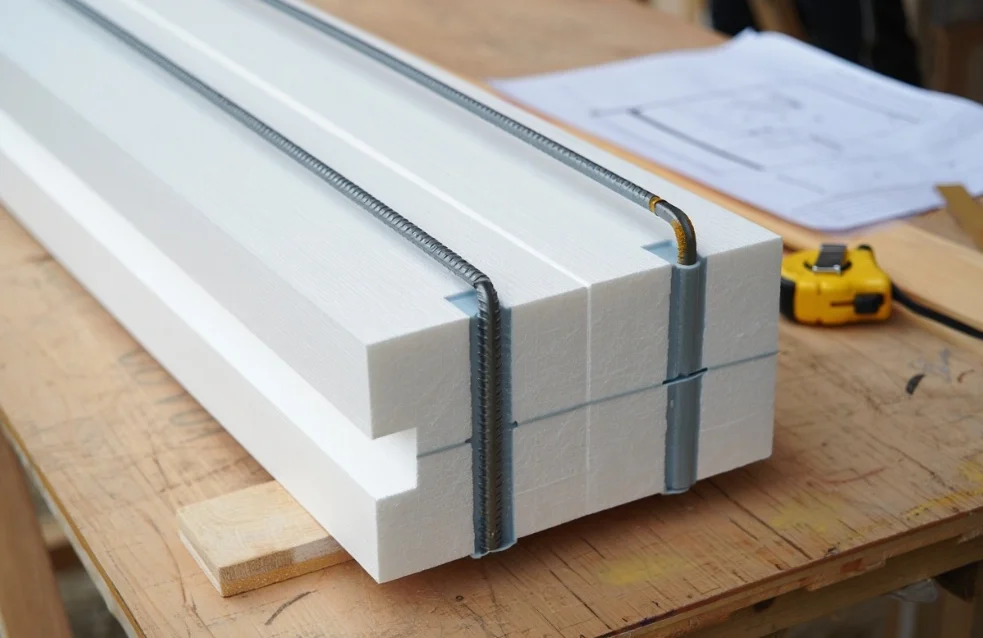
It is a wall system that uses permanent foam forms filled with reinforced concrete. The forms stay in place after the pour, so the wall ends up strong, insulated, and far tighter than a typical framed assembly. Simply put, it is concrete with a built-in winter coat. The foam handles insulation, while the concrete handles the building structure.
Why is ICF Construction Becoming Popular?
Traditional building brings strict energy codes, labor shortages, storm risk, and owners who want calmer, more durable homes. This is where ICF construction is getting more numbers; it lets one wall assembly handle insulation, structure, and resilience without adding a lot of extra layers. Simply put, it solves more problems than a bare framed wall can.
The Benefits of ICF Construction
Improved Energy Efficiency
The energy story is still the biggest hook. According to the DOE, ICF walls commonly deliver about R-20, and some manufacturers report even higher whole-wall performance on some systems, including R-24 and up to 60% annual energy savings in certain comparisons. That combination of continuous insulation and thermal mass helps the household temperature longer, which reduces the HVAC load. That can change how you value the shell, the mechanical system, and the long-term operating cost.
Withstand the Damaging Storms
Storm resilience is another reason owners keep asking about ICF house construction. FEMA’s 2025 guidance shows there has not been a single reported failure of a safe room built to FEMA criteria, and ICF safe-room systems are commonly designed around that standard. Some manufacturers have successfully tested wind resistance up to 250 mph for safe-room assemblies. This is a big win, especially when weather forecasts go off.
Brings a Calmer Living Experience
Noise was nothing in old times, but today everyone wants a calmer place to live and work. Nudura reports an STC rating of 52 for a 6-inch concrete-core ICF wall, while a traditional 2×4 wood stud wall with fiberglass insulation lands around 38. Another study has published similar sound-performance results around STC 54.
Built-In Fire Resistance
Fire resistance is one of those benefits nobody wants to test the hard way. Some ICF safe-room and wall systems are rated up to 4 hours of fire resistance, depending on the assembly and local code requirements. That gives occupants more time to exit, and it gives responders more room to work. When you compare it with light-frame assemblies, that margin matters a lot.
Maintenance-Free Durability
As a contractor, you know that concrete does not rot. EPS foam does not behave like wood framing, and it does not feed mold the same way cavity-wall materials can. Moisture science around ICF walls shows that the foam’s closed-cell structure resists moisture movement, and well-detailed ICF walls can dry without the same decay risks common in framed walls. That makes ICF construction attractive for homeowners who want fewer repair calls and fewer hidden failures.
Faster Builds With Fewer Complications
ICF systems fold several steps into one, which cuts back on the usual complicated tasks. In fact, ICFs combine 6 building steps into 1 lightweight form. This means less rework, fewer separate assemblies, and fewer weather delays. Therefore, ICF construction feels easier to schedule and work on.
Flexible to Design Bold, Modern, or Custom Layouts
You know what, ICFs are not just for simple boxes. Manufacturers offer curved blocks, corner units, varying thicknesses, and accessories for openings, ledges, and special wall shapes. That shows ICFs can easily support radius walls, multiple elevations, and other architectural features, which means no more boring designs.
The Complete Process of ICF Construction
Remember that ICF construction wins with proper planning. A precise takeoff, a good layout, and a disciplined pour plan can save a lot of trouble later. See the phases and their individual steps below!
Phase 1: Site Preparation & Footings
1. Site Preparation
Start with permits, layout, and a clean site. Grade the pad, mark the footprint, and get the foundation work ready before concrete arrives.
2. Formwork Placement
Set footing forms to local code and verify dimensions twice. Remember that a small error here can turn into a wall problem later.
3. Pouring Footings
Place the footing concrete carefully and consolidate it well to avoid voids or honeycombing.
4. Leveling
Snap lines, check elevation, and correct the footing surface before wall stacking starts.
5. Vertical Reinforcement (Base)
Install starter rebar where the engineer calls for it, keeping in mind that the wall depends on that tie-in.
6. Staging Materials
Stage blocks, bracing, glue, and reinforcement near the pour area so the wall laborers never wait on materials.
Phase 2: Wall Stacking & Reinforcement
7. First Course
Start at the corner and lock in the first course carefully. That first line controls the whole wall.
8. Reinforcing & Layout
Place horizontal steel as specified and reverse corners each course for a running-bond layout.
9. Cutting Block
Cut blocks square and straight, especially around openings. Clean cuts make the whole wall easier to finish.
10. Leveling & Gluing
After two or three courses, shim, trim, and spot-glue the wall to keep everything plumb.
11. Corner Offset
Flip the corners of each course so the vertical seams do not stack. That keeps the wall stronger and cleaner.
12. Working from the Alignment System
Use the bracing line as your guide once the wall starts climbing. It keeps the system honest.
13. Installing Alignment/Bracing
Put braces in place around the third or fourth course, especially in windy conditions. The wall will thank you later.
14. Bucks Preparation
Prep window and door bucks early. Openings go smoother when the bucks are ready before the pour.
15. Wood Buck Example
Wood bucks still work well when they are measured correctly and tied into the opening cleanly.
16. Penetrations
Make sleeve and penetration decisions before the pour. After concrete sets, every change gets harder.
17. Reinforcing Stagger
Stagger the horizontal steel so the vertical bars land in the right chase. That keeps the reinforcement lined up.
18. Vertical Reinforcing Alignment
Check the vertical bars before the concrete goes in. The pour should lock the steel, not fight it.
Explore ICF construction and build smarter, stronger walls today.
Phase 3: Pouring & Final Adjustment
19. Post-Pour Adjustment Preparation
Before the pour starts, make sure the brace system can still adjust after placement.
20. Pouring Concrete
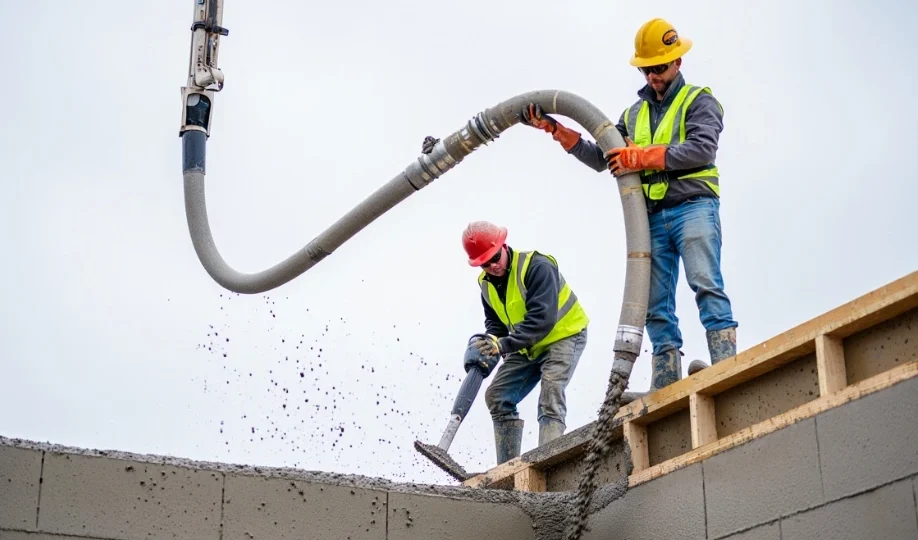
Build in lifts, and use a low-impact vibrator to consolidate the mix without blowing out the forms.
21. Topping the Wall
Leave a little extra concrete at the top until consolidation finishes, then set anchors while it is still workable.
22. Clean Up & Final Check
Finish with a plumb check, a bracing check, and a clean site. That is how good pours stay good.
Challenges of ICF Construction
No wall system is perfect, and ICF construction is no exception. The challenge is not whether the system works. The real issue is whether the team plans for the differences early enough to avoid expensive mistakes later.
Higher Upfront Material Costs
ICF projects mostly cost more at the start than basic framed walls. HUD found ICF construction can run about 3% to 5% more than a standard new home in overall market terms. Plus, current project-level estimates commonly fall around $100 to $250 per square foot, depending on the project scope and finishes. Therefore, it is essential to price the full envelope, not just the shell, and value-engineer the design before drawings are finalized.
Contractor Experience Matters
An experienced ICF team makes the project easy. However, the team with poor strategies makes everything expensive, whether it is designing, estimation, or construction. In other words, everything, including braces, bucks, lifts, and consolidation need discipline. Therefore, experts emphasize manuals, training, and estimating tools. By using these approaches, you can have a team that already knows the wall rhythm and everything coming in the future.
Moisture Management
As a contractor, you know that ICF walls resist moisture better than framed walls, but they need detailing. Below-grade walls especially need waterproofing and drainage, because water pressure can force leaks through small defects. Thus, waterproof the foundation, detail flashing, and control indoor humidity with the right HVAC setup.
Complex Logistics & Retrofitting
ICF can make logistics streamlined on a new build, but retrofits are trickier. Openings, sleeves, and attachment points need early coordination, and missing a penetration before the pour creates significant issues later. Therefore, ICF works best when the plan is locked before material delivery. For retrofit work, your team must think through load paths, wall thickness, and access before the first cut.
Thicker Walls
ICF walls take more space than a plain wood stud wall. Some systems use core widths from 4 to 12 inches, and the finished assembly also includes foam on both sides. That matters a lot in tight plans, small lots, and remodels. The solution is to account for wall thickness early, especially around stairs, circulation, and window placement.
Concrete Pouring Issues
The pour is where sloppy planning shows up fast. Pouring in 4-foot lifts and a low-impact vibrator with a 1-inch head is a good way to go. The goal is to keep the concrete moving without overloading the forms. The best fix is staging, good bracing, and a pour schedule that gives the group time to adjust before the mix sets.
Is ICF Construction Expensive: 2026 Cost Insights
In the US, ICF costs around $100 to $250 per square foot for the total project. Remember that this range can be affected by some factors: Design, site conditions, labor, and finish level. This means that a precise takeoff is essential for accurate cost estimates.
Well, the biggest cost drivers in an ICF project include:
- Design complexity
- Wall height & length
- Site accessibility
- Labor specialization
- Concrete & steel pricing
Playing with all these factors smartly helps contractors and builders significantly reduce the project cost; This directly adds to their margins.
Note: See Construction Material Price Forecast 2026 to get details on inflation, tariffs & bid cost impact.
How to Reduce the Cost of an ICF Construction Project
The easiest savings usually come from smart planning, not trimming quality. Follow the tips below to save maximum on your ICF project.
Accelerate Construction Time
Time is money on every construction jobsite. As ICF combines several steps into one system, it points to major time savings. The practical move is to pre-stage materials, pre-plan openings, and lock in the pour schedule before the wall construction starts. Shorter wall time means fewer labor hours and fewer weather delays, leading to more of your margin.
Opt for Simple Designs
A square or rectangular plan almost always costs less than a shape with lots of zigzags. That is because every extra corner adds cuts, bracing, and labor, which increase the project cost. For the most cost-effective layouts, stick to simple footprints, stacked floor plans, and straightforward roof lines. Those choices keep the wall set simple and easy to estimate.
Choose Cost-Effective Finishes
The wall itself is only part of the bill. So, use finishes that do not oppose the system. Standard drywall, fiber-cement siding, basic stucco, and straightforward trim details usually keep labor lighter than custom exterior jobs. The savings come from fewer specialty trades and fewer hours spent making odd transitions work.
Work in All Weather Conditions
ICF walls build fast, so the structure isn’t exposed long. That matters in wet or windy seasons. When the shell tightens faster, the project avoids some weather damage and schedule delay that mostly hits exposed framing. The best way to use that advantage is simple: pour early, dry in fast, and schedule follow-on trades in a tighter sequence.
Reduce On-Site Labor
Labor savings come from repetition and preparation. Make bucks early, stage steel before the pour, and use an alignment system that lets the team work faster without guessing. In other words, ensure layout, bracing, and reinforcement are done in the right order. This will save a lot of hours on rework.
Source Alternative Materials
The biggest savings usually come from using standard rather than custom components. That can mean standard form widths, manufacturer-approved bucks, conventional bracing, and finishes that do not need heavy custom fabrication. A simplified set can cut 5% to 15% from the wall portion of a project when the design is cooperative.
Proper Cost Planning
Good budget planning starts with precise & accurate takeoffs. Hire the manufacturer estimator, verify wall dimensions, and coordinate all penetrations before concrete arrives. A proper plan catches conflicts before they become field changes, and field changes are where budgets start getting out of control. This means comprehensive estimating eliminates guesswork from the plans.
Note: Explore How to Estimate Construction Costs to know the complete process of budget assessment.
The Future of ICF Construction
In 2026 and years to come, people want homes that stay quiet, comfortable, and hold up when the weather turns drastic. ICF is what stands for all these issues. Also, the market data is showing steady demand in residential and North American projects. This means the ICF would have higher demand in the near future.
Conclusion
ICF gives contractors a wall system that brings structure, insulation, sound control, and resilience into one box. The trade-off is a little more planning at the start, but the payoff shows up in speed, comfort, and long-term operating cost. You only need to start with the right estimates to avoid spending extra on ICF projects.
Like other contractors, you might not have time for calculations, and that is where Estimations helps contractors with reliable residential estimating services in the US. Based on tech and industry data, we bring estimates that improve your bids and make them impressive for your clients, making you the winner of the project.
Request Your Estimate Today and build with numbers you can trust!
FAQs
How long does ICF last?
A properly built ICF wall can last for decades, often matching or exceeding the life of the structure itself. Concrete and EPS do not rot like wood, and the system holds up well when waterproofing, reinforcement, and finishes are detailed correctly.
What are the drawbacks of ICF construction?
The biggest drawbacks are the higher upfront cost, the need for trained installers, and thicker walls. Moisture detailing also matters more below grade. Those issues are manageable, but only when the team plans the wall instead of treating it like framed construction.
Does ICF need a vapor barrier?
Not always. ICF walls act as mass walls, so they do not follow framed-wall rules in the same way. Below-grade moisture control still matters, though, and local code plus climate should guide the final assembly.
Has ICF replaced traditional building methods in 2026?
No, but it has taken a bigger share of high-performance and resilience-focused work. Residential demand remains strong, and market growth is steady. Traditional framing still dominates many jobs, but ICF keeps gaining ground where performance matters most.
How does ICF handle the harshest climates and environments?
It handles them well when the design is right. ICF walls bring strong thermal resistance, sound control, and storm resilience, and safe-room assemblies can be engineered to FEMA criteria with very high wind resistance. The wall system works best when the envelope, drainage, and HVAC all cooperate.
