

Have you ever priced a job, then watched supplier quotes jump overnight? If you have, you already know why estimating feels like cooking. Think about baking a cake for a big event, on a tight schedule. You don’t just guess the amount of flour and sugar, then hope everything works. Instead, you create an ingredients list, check the store, and price every ingredient.
Now swap flour for low-carbon concrete, and swap sugar for FSC lumber. Suddenly, your ingredient list needs EPD paperwork and lead-time checks, too. And in 2026, pricing moves faster because policy and procurement keep shifting. So, your green building cost estimate must act like this recipe for cake.
For a perfect start, you must know how to estimate the cost of sustainable building materials in 2026. Keep reading this blog to get information on this!
What is Building Estimation?
Building estimation means you forecast the total project cost before you build. You translate drawings, project specifications, and assumptions into measurable quantities and unit prices.
Then, you add labor, equipment, subcontractors, and indirect costs with clear logic.
Finally, you include contingency, overhead, and profit to protect your business outcomes.
Before 2026, estimating means math and measurement. But in 2026, it also means documentation, policy awareness, and risk control. That’s why many contractors and builders hire experts for construction estimating services early, keeping things on track.
Why is Estimating Sustainable Building Materials Essential?
Green building projects sound exciting on paper, but when one reaches on site-construction, they can see many issues with design, labor availability, and quantities of materials. All these issues affect the cost of the project, making estimating sustainable projects essential. Let’s explore more points on the importance of estimating green building projects!
The Need for Life-Cycle Cost Thinking
Sustainable choices often move costs across time, not just across line items. For example, you might pay more upfront, then save energy for 20 years. So, you need tools that compare alternatives over an agreed analysis period.
Strict Investigation from Project Owners & Managers
Green projects mean more investigation from owners and procurement teams. Owners want proof that green claims match real product data, and not sales language. So, you must estimate using transparent documentation, not vibes and guesswork.
Impact of Embodied Carbon
Embodied carbon requirements push material decisions into the estimating lane. The study defines embodied carbon as emissions tied to manufacturing, transport, installation, maintenance, and disposal. So, if a team asks for low-carbon materials, your takeoff must support that proof, which needs estimation.
The Need for Green Certifications
Green certification introduces direct fees and indirect project tasks. For example, LEED costs include a registration fee and certification fees tied to size.
Commissioning Costs
Commissioning is core in energy performance construction projects. If you ignore commissioning, your estimate can underfund required performance verification.
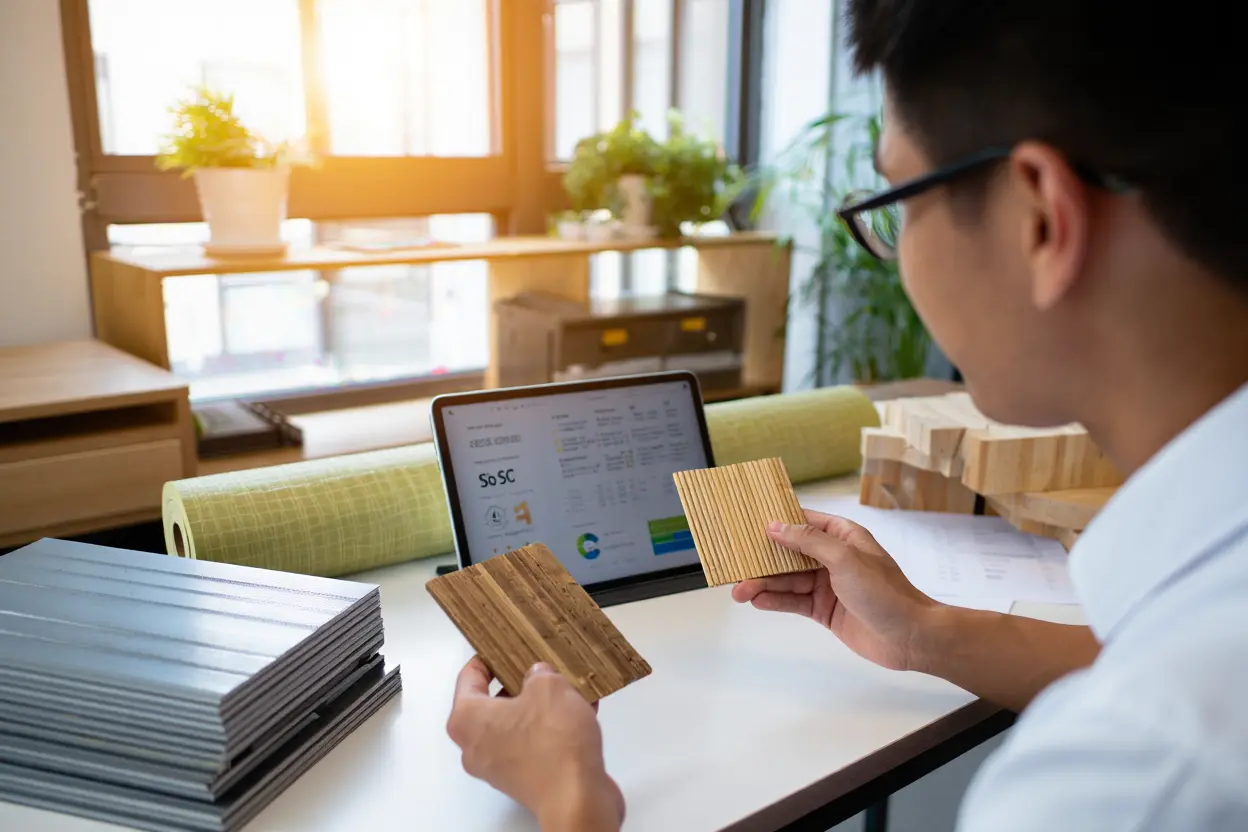
Key Elements of a Sustainable Building Estimates
A sustainable construction materials cost budget hides many sub-costs tied to performance and documentation. Let’s explore the elements of a sustainable building estimate!
Material Costs
Material costs start with a precise quantity takeoff and unit rates. Regarding sustainable material pricing demands you track “what it is” and “what it proves.”
In 2026, teams don’t just buy a product, but they also buy compliance evidence. So start with the obvious, base material price. Estimate the cost of concrete, rebar, steel studs, sheathing, insulation, glazing, roofing, and finishes. Also, apply sustainable filters that change availability, lead times, and vendor pools.
Labor Costs
Labor costs look familiar on the surface, showing working hours and wages. But sustainable projects change labor in many ways and impact the cost of the project. For example, you need a specialized, experienced labor team for certain green assemblies. If labor lacks experience, productivity drops, and rework needs jump in quietly.
Furthermore, documentation affects the labor time. Sustainable projects’ scopes often require daily tracking, submittal reviews, and closeout documentation. So, your estimate should include supervisor time for compliance coordination.
Also, sustainable material swaps can affect install rates. A product that weighs more, cuts differently, or needs special fasteners changes production. So, you should adjust labor units when the green alternate changes install behavior.
Moreover, consider regional labor market pressure and specialized trades availability. When skilled labor teams are short, rates rise, and project schedules suffer. That’s why your estimate should tie labor assumptions to schedule assumptions.
Equipment Costs
Equipment costs sound okay until sustainability requirements change site operations.
In the green building case, equipment becomes a compliance tool, leaving the box of a productivity tool.
What you need to do is start with a standard equipment assessment, including lifts, telehandlers, forklifts, mixers, small tools, and temporary power.
Also, layers in sustainability-driven equipment tasks, such as waste diversion goals, can require separate dumpsters and handling equipment. Furthermore, if you sort materials on-site, you might need extra bins, loaders, and haul cycles. If you track dust or IAQ controls, you might need filtration or containment equipment too.
Also, consider measurement equipment for verification-driven scopes.
Commissioning and performance validation often require specialized testing tools and access support. So, you must include lift time for testing, balancing, and inspections.
And yes, electrification trends matter too. Electric equipment can reduce emissions, but it can require charging logistics and planning. So, if a site pushes electric equipment, include power distribution and downtime allowances.
Subcontractor Costs
Subcontractor costs already make or break most projects, especially on modern builds. Sustainable projects add coordination and documentation pressure on subcontractors, too. If your subcontractors miss details, you can lose performance targets and incentives quickly.
Moreover, sustainable requirements can require specific product selections within subscopes. For example, low-VOC finishes, verified insulation, or products with transparency documents. So, you should require subcontractors to price compliant products, and not generic equivalents.
Additionally, coordination costs rise when you integrate separate performance scopes. A tight envelope needs MEP penetrations planned early and sealed correctly.
So, you can expect more coordination meetings, mockups, and inspections.
Above all, include subcontractor contingency when the scope definition remains incomplete. Like normal construction projects, sustainable projects change quickly during design when owners chase performance targets. So, subcontractor estimates can shake, even when drawings look fine.
Overheads & Profits
Overhead and profit work the same way on sustainable bids, but risk changes. So, you must estimate the management load wisely. Include everything, including estimating, project management, safety, insurance, and compliance. Skipping it means you are on the way to seeing unforeseen expenses due to overheads and profit ignorance at the time of estimation.
Methods Used for Sustainable Building Cost Estimation
● Lifecycle Cost Analysis (LCCA)
Lifecycle cost analysis compares alternatives using costs over time, and not only upfront dollars.
● Lifecycle Assessment (LCA)
Lifecycle assessment measures environmental impacts across a construction product’s life cycle stages.
● Elemental Cost Estimating
Elemental estimating groups cost by building elements, like substructure, envelope, and MEP. So, you can compare sustainable alternatives at a system level early. It works well when drawings remain incomplete, but system choices still matter.
● Analogous Estimating
Analogous estimating uses past projects as the basis, then adjusts for differences. So, you can build quick, early budgets using similar green projects as references. It works best when your historical data matches the project type and sustainability targets.
● Parametric Estimating
Parametric estimating uses cost relationships, like dollars per square foot or per unit. It works well for feasibility and early owner conversations. Using this, you can model green premiums or energy targets without line-item detail.
● Bottom-Up Estimating
Using a bottom-up estimating method, you can build costs from detailed quantities and unit prices. This method has become the backbone for bid-day pricing and procurement planning. It also supports embodied carbon tools, because quantities drive carbon reporting.
● Top-Down Estimating
Top-down estimating starts with a total budget and allocates cost categories. Using this, you can set early budget constraints before design runs wild. It helps owners avoid blurring project scope before they cost the project more than expected.
● Three-Point Estimating
The three-point estimating method considers optimistic, most likely, and pessimistic cost scenarios. Using this, you can make uncertainty visible, instead of hiding it inside a single number. Regarding its suitability, it works well when green procurement and documentation risks are hard to quantify.
Need accurate estimates for sustainable building materials? Contact our experts today
How to Estimate the Sustainable Building Cost?
1. Define Project Scope & Sustainability Goals of the Project
Start by locking the scope of the project. Define which life cycle stages your scope targets, and document them early. Also, define your sustainability goals in plain language.
Furthermore, choose certification targets, if any. If the owner wants LEED, identify the rating system and project size early. Also, clarify documentation expectations for materials. If the teams require EPDs, state that requirement directly in your scope assumptions.
Moreover, define performance targets that drive scope issues if ignored. As airtightness targets, envelope U-values, HVAC efficiencies, and control strategies all change costs, you must write them down as estimates.
2. Conduct a Comprehensive Material Takeoff
Next, move into quantity. This is where quantity material takeoff services from the experts change the game of green building.
- Start with a precise and accurate set of drawings, specifications, and alternates.
- Then, organize takeoff by CSI divisions or by building systems, depending on your workflow.
- Next, measure quantities with consistency across assemblies and alternates. If you measure the envelope area one way, keep that method across all options.
- Then, capture sustainability qualifiers inside your takeoff notes.
- Next, separate base quantities from sustainable add-ons. That separation helps clients understand what they pay for sustainability choices.
- Then, include waste factors intentionally. Include allowances for material handling, labor and disposal strategy.
- Next, connect quantities to verification requirements when embodied carbon matters.
- Last, structure takeoff deliverables for procurement reality. Create line items that vendors can quote without guessing your assumptions. That’s exactly why many contractors outsource construction takeoff services during bid issues.
3. Perform Life Cycle Cost Analysis (LCA)
Use LCCA to compare options with different first costs and different operating outcomes. For example, compare standard glazing versus high-performance glazing with energy savings.
And use LCA when embodied carbon targets drive material selection decisions.
How to do that? Pick a study period that matches the owner’s intent, like 25 or 30 years. Then, apply realistic discount rates and escalation assumptions based on your client’s standards.
If you estimate for public work, follow the client’s published methodology requirements. Most importantly, use LCCA to explain tradeoffs clearly.
4. Get Quotes from Suppliers
Start by building a supplier list that matches sustainable requirements. If teams require EPDs, ask for them early, not after bid day. Furthermore, request quotes with a consistent template. Ask for unit price, freight, lead time, minimum order quantities, and alternates. Also, ask for documented product data that supports performance and sustainability claims.
Next, verify substitutions carefully. A vendor may offer equivalent products that fail documentation requirements. So, you need quotes that include the compliance paperwork, and not just the price.
After that, timestamp your quotes and track validity periods. Ensure to treat quotes like perishable inventory. Last, confirm supply chain feasibility. If a low-carbon product exists but delivers in sixteen weeks, that affects the schedule and cost. So, you should price the schedule risk along with the unit rate.
5. Factor in Certification & Commissioning Costs
In this phase, start with certification fees and admin efforts. If the owner targets LEED, you must include registration and certification fees. Remember to include consultant and documentation costs. Sustainability consultants, energy modelers, and LCA specialists often charge separately.
Also include time for submittal review, credit documentation, and coordination meetings. Next, talk about commissioning, because high-performance buildings demand verification. Even before you debate savings, you must include direct commissioning cost lines. Above all, include access and support costs tied to commissioning.
6. Add Contingency for Green Building Risk Factor
Green projects carry standard risks, plus extra uncertainty tied to the sustainability scope. So, contingency should reflect real risk drivers. You need to start with the design definition risk.
If the design team still debates envelope assemblies, you face material price uncertainty.
Then, add procurement risk for specialty products with smaller vendor pools. If only two suppliers qualify, your price exposure increases fast. Furthermore, include documentation risk. If compliance requires EPDs, and suppliers lack them, substitute labor rises. Also, include schedule risk tied to long lead times and approval gates.
Additionally, factor in policy and procurement stability risk for public or funded projects.
If project requirements shift midstream, you may need resubmittals and re-pricing—last, separate contingency from escalation. Escalation covers expected market movement, while contingency covers uncertainty and unknowns.
7. Calculate the Capital or Total Cost of the Project
Start by summing direct costs. Include:
- Material costs, labor costs, equipment costs, and subcontractor costs
- Indirect costs tied to project execution
- Certification and commissioning costs as explicit line items
- Contingency based on your risk analysis
- Overhead and profit are based on your business model and project exposure.
Last, document assumptions in a way that another estimator can follow. This documentation separates professional cost budget estimating services from spreadsheet guesswork. It also protects you during owner reviews and post-bid negotiations. And it gives your team a baseline that matches construction-site reality.
Common Sustainable Building Estimating Mistakes You Must Avoid
● Incomplete Project Scope Review
This mistake happens when teams treat sustainability like a final selection. They review drawings, but they skip sustainability narratives and owner performance targets. Then later, someone adds envelope upgrades, commissioning, or documentation tasks midstream. And suddenly the estimate looks wrong, even though the scope quietly changed.
● Failing to Account for Green Premium Material Costs
You experience this when you assume sustainable equals the same stuff, different label. They price standard products, then hope vendors meet performance and transparency requirements. In this case, procurement discovers only premium products that meet the spec’s documentation requirements. And the project absorbs an unplanned premium at the worst possible moment.
● Ignoring Third Party or Certification Costs
This mistake happens when teams price only physical construction work. They forget registration fees, certification review costs, and consultant deliverables. Then, late in the job, the owner asks for submissions, and nobody budgeted the effort.
● Underestimating Specialized Labor
Many teams assume normal productivity across high-performance assemblies, which is a significant mistake in the construction world. Teams assign standard labor units to assemblies that need careful detailing and testing. In results, field teams slow down because performance errors cause rework and inspection failures. And the schedule absorbs overtime that nobody expected and estimated.
● Ignoring Subcontractor Coordination
If you estimate subcontractors individually, this issue occurs. In detail, you estimate MEP, envelope, and interiors separately, without integration planning. This leads to penetrations in conflict with airtightness goals, and coordination meetings multiply fast. Furthermore, the job wastes management time.
● Not Considering Site Specific Eco-Factors
When you ignore climate and local environmental realities, this problem happens. In other words, you make this mistake when you price systems that look good on paper, but fail on that specific site. In results, redesign and substitution work begin, and budgets scramble to catch up.
● Ignoring Long-Term Performance Benefits
This problem happens when teams treat sustainable upgrades as pure cost increases. They ignore operating savings, replacement cycles, and risk reduction over time. So, teams miss the financial story that helps owners accept better systems.
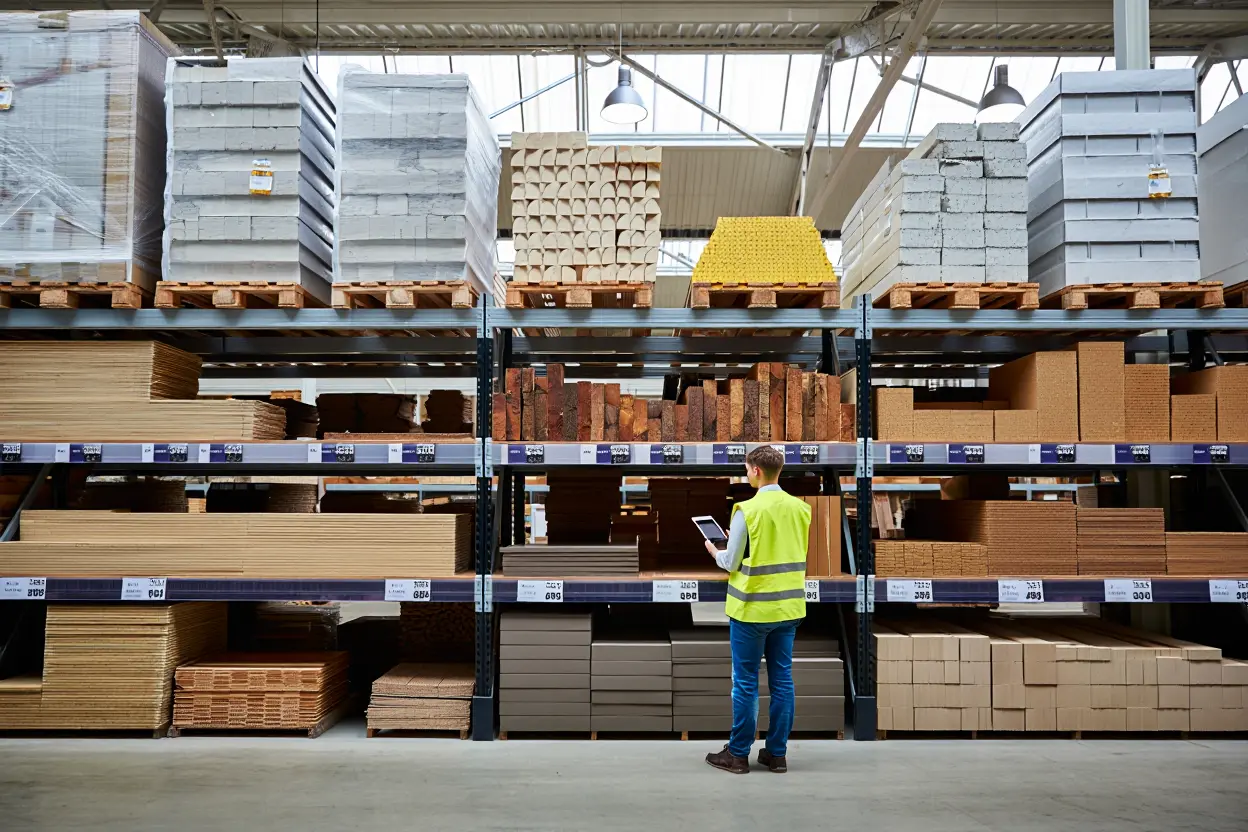
What to Do for Accurate & Precise Sustainable Building Estimates?
Here are the essentials that keep your estimates tight under green building pressure.
- Adopt advanced methodologies that match design maturity and decision timing.
- Use specialized cost research data, including local pricing and real supplier quotes.
- Start early and plan collaboratively with architects, engineers, and key subcontractors.
- Build risk management and contingency with real drivers, not random percentages.
- Use specialized estimating software for takeoffs, estimating, and version control. (For the best software, check out our blog: Top 10 Construction Estimating Software Tools for 2026.
But there is another problem; you don’t always have time for all these headaches. Bid dates come fast, and clients want estimates the same day. So, when you need speed and precision, outsourcing is the game-changer. That’s exactly where Estimations can support your team.
Conclusion
Sustainable estimating in 2026 rewards clarity. You must measure precise quantities, verify documentation, and manage procurement timing. Also, balance first cost with life-cycle value, using LCA and LCCA wisely. When you do it right, you protect margin, reduce surprises, and build trust faster. And that trust turns into repeat clients, fewer claims, and better sleep after bid day.
Frequently Asked Questions
What is sustainable construction?
Sustainable construction uses resource-efficient methods across a building’s full life cycle. It reduces environmental impacts during design, construction, operation, and end-of-life work.
What systems are included in green buildings?
Green buildings often include efficient HVAC, better envelopes, smart controls, and water-saving fixtures. They also emphasize material and resource conservation, plus indoor environmental quality improvements.
Is technology important in green building?
Yes, technology helps teams model performance, track quantities, and reduce estimating errors. It also supports commissioning, verification, and real-time coordination across complex green projects.
How much does it cost to build a green home in the US?
The average cost to construct a green home in the US in 2026 can fall around $400,000. Remember that the national range is $140,000 to $3,500,000, depending on cost-affecting factors.
