
Thinking about pouring a 20×20 concrete slab raised from your garage, patio or shed? You are at the right place with Estimation, your reliable source of correct construction cost information. It is important to understand the actual costs, ongoing issues and clever upgrades that may make or break your project before you begin budgeting.
Regions, labour rates and finishes all play a role in changing your ultimate bill by thousands. In this guide, we are going to deconstruct the current cost ranges of 2026 to save money and tips on saving and provide knowledgeable information so that you can begin planning and not incur unnecessary expenses.
Key Takeaways: What You’ll Learn About a 20×20 Concrete Slab Cost
- The average cost of a 20×20 concrete slab in 2025 was $2400-$4800, and it depends on the thickness, finish and reinforcement.
- Some of the important cost drivers are slab thickness, site preparation, concrete strength (PSI), reinforcement and finishing style.
- DIY can reduce labor costs but poses risks to durability and potentially expensive errors.
- Improvements such as rebar, vapor barriers or decorative finishes increase expenses but enhance strength, longevity and aesthetic appeal.
- Under Estimation, you will have accurate cost breakdowns and expert opinions to spend more wisely.
Introduction
Why Knowing Drywall Repair Costs Matters?
Ever started a home project and then realized that the expenses were getting out of control? It is the reason why the actual cost of repairing the drywall in the first place is necessary to avoid the surprises, plan your funds and make better decisions. In the US the average price estimated by homeowners to repair drywall is between $350 and $650, depending on the size of the damage, the repair of the ceiling or water leakages.
We do this at Estimation, where we provide you with exact, quick and trustworthy estimates and you will always have an idea of what to expect and be it’s an easy DIY patch or a full-fledged repair of an entire room.
Ready to Pour Your 20×20 Concrete Slab Without Guesswork?
Avoid any surprises or unnoticed variables to run your project. At Estimation, we break down accurate 2026 cost schedules, materials, reinforcement and preparation of products of site basics so that you can plan and stay within budget. Get all the guides to everything you require.
What Determines the Cost of a 20×20 Concrete Slab?
When designing a 20×20 Concrete Slab, one should be aware of what is driving the final price. The following are the most prevalent expenses that every homeowner or contractor is supposed to take into consideration.
Slab Size and Thickness
The thicker the slab, the more expensive it is. Garages, sheds or heavy vehicle loads require 4-inch, 6-inch slabs, respectively. Each inch of thickness put on may add 20-30% to the volume of concrete.
Type of Concrete
Not all concrete is the same. Normal blends are affordable but heavy-duty and high-strength concrete (4000-5000 PSI) is also required. Stronger mixes improve durability but come at a premium price.
Reinforcement Options
Concrete is strong in compression but weak in tension which is the reason why reinforcement is an important choice, including:
- Wire mesh: cheap crack crack-resistant.
- Rebar: reinforcement that is stronger and common used with driveways.
- Fibre mesh: decreases cracks on the surfaces, and it is suitable for residential slabs.
All the alternatives come with an additional cost and protection level.
Site Preparation
The site prep may consume up to 20-30% of the overall cost. This includes:
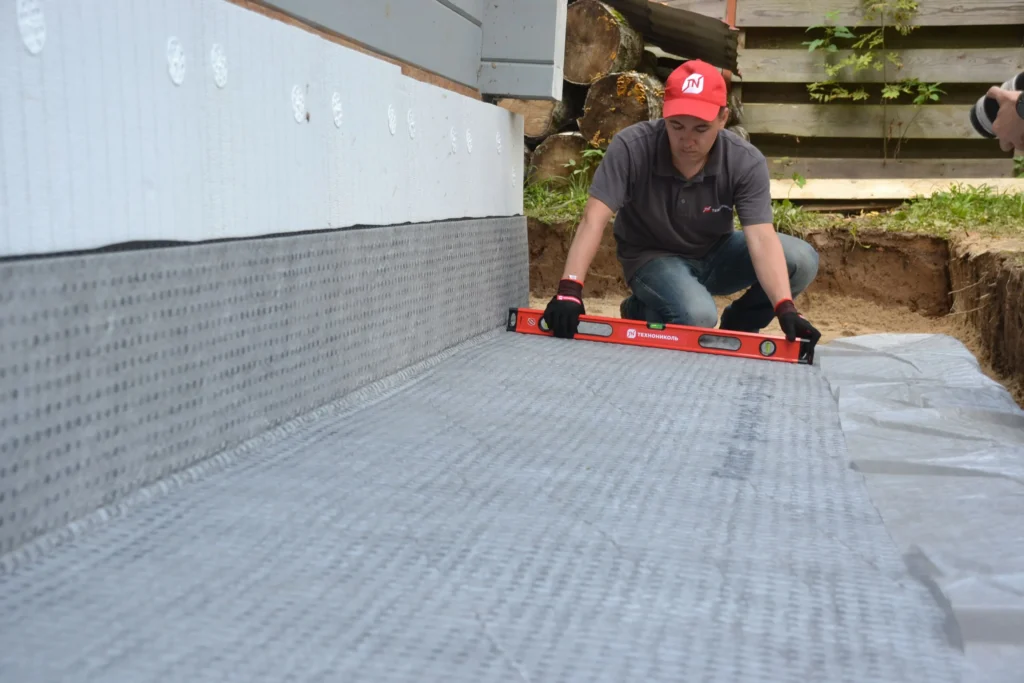
- Grading & leveling the site.
- Removing old slabs or debris.
- Stabilization of the soil by compacting.
- Drainage and strength: Adding a gravel or sand base.
Skipping proper preparation often leads to costly cracks later.
Finish Options
Appearance and price are directly affected by the finish of the surface:
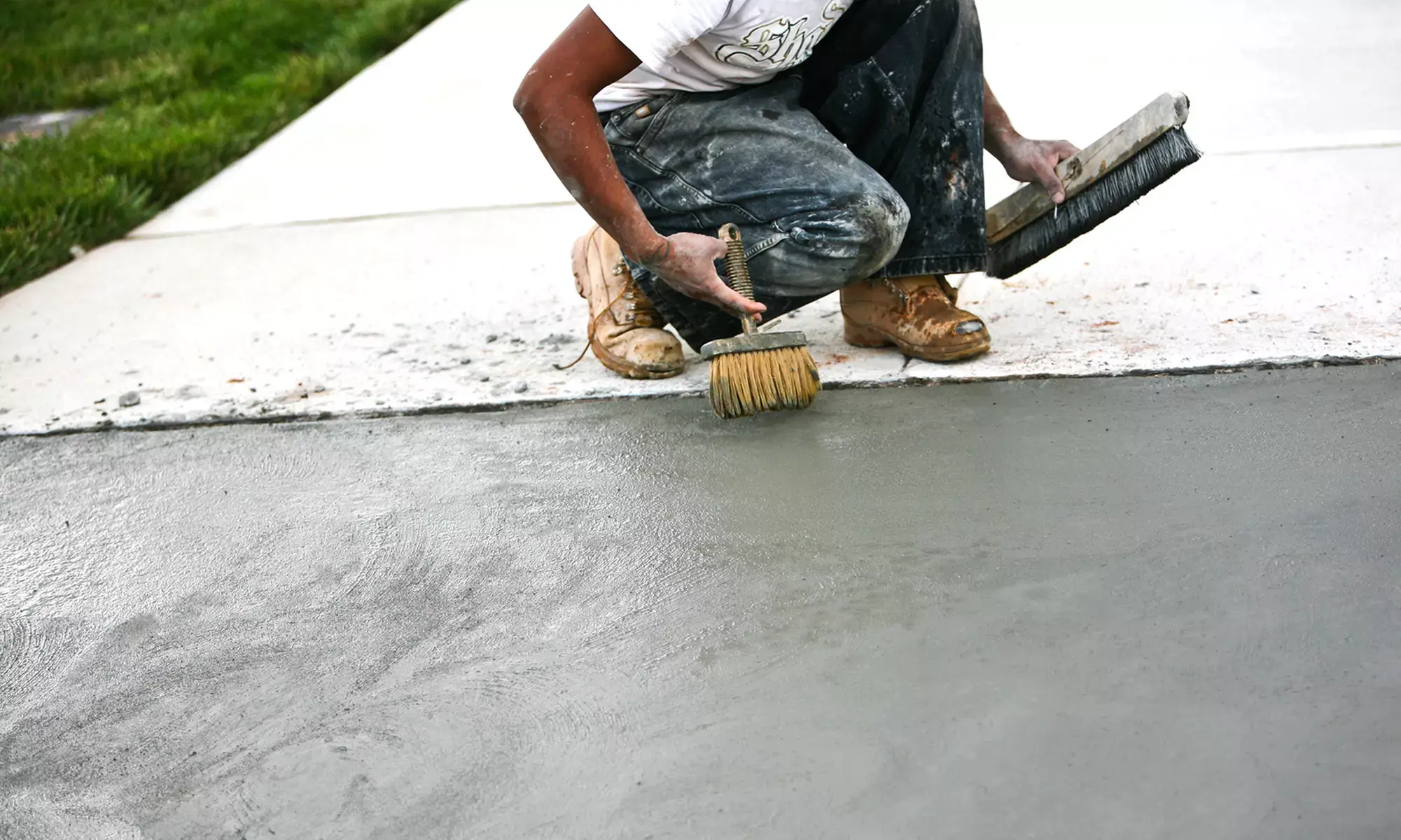
- Broom finish: cheapest.
- Smooth trowel: smooth and polished.
- Stamped, polished or colored finishes: will add beauty and distinctiveness, but could almost double the cost of finishing.
- Open aggregate: decorative and slip-resistant.
Additional Features & Extras
There are additional items that might not be relevant but increase the budget, and they include:
- Moisture protection vapor barriers.
- The slabs of heavy load with the increase of the edge.
- Sealing and drainage solutions to save on time.
- Local codes of permits and inspections.
Location, Labor and Climate
Lastly, the price is different depending on the geographic location. Areas with high demand imply an increase in the labor rates whereas distant locations can introduce a cost of transportation. Bases must be thicker or air-entrained to take the freeze-thaw cycle in colder climates.
Concrete Type & PSI Comparison
| Concrete Type | PSI / Strength | Best For | Typical Cost per Cubic Yard | Key Benefits |
| All-Purpose Concrete | 3,000–4,000 PSI | Patios, sheds, light-use slabs | $130–$180 | Affordable, balanced strength & durability |
| High-Strength Concrete | 4,000–5,000 PSI | Garages, driveways, and heavier slabs | $150–$220 | Handles heavier loads, reduces cracking |
| Reinforced Concrete | 6,000+ PSI | Foundations, commercial slabs, heavy-duty use | $180–$250+ | Maximum durability, crack resistance, long lifespan |
National and Virginia / Local Cost Data
When budgeting for a 20×20 concrete slab, it is always good to know he national average and the local costs of Virginia so that you are not caught by the results of surprise.
National Averages
The cost per square foot(materials + labor) is an average of 4.34 7.73/ft² across the US as per Lawn Starter. With the addition of reinforcement or elite finishes and the cost might reach as high as $910/ft².
The average national cost of a typical 20 x 20 slab (400 ft²) with a thickness of 4 inches is approximately 2,640 dollars, with a price between 1736 to 3092. These figures encompass base costs, including finishes, reinforcement and prep will increase the final figure.
Virginia Local Costs
In Virginia, the cost is slightly higher because of labor and permitting. For example of a 20×20 slab in Ashburn, VA, is between $2400 and $4800 as per Ashburn concrete. Labour rates in Virginia average $50-$70 per hour, and therefore, labour is one of the biggest cost factors. The specific issues of the location such as accessibility and soil properties, may increase the expenses even more.
Reinforcement, Prep and Extras in Virginia
The hidden costs which most homeowners do not take into account are:
- Reinforcement (rebar, mesh or fiber): Reinforcing normally costs an addition of $1–$2/ft².
- Site prep (grading, compacting, base materials): Also approximately $1–$2/ft².
- Permits and inspections: generally, the cost is between $100-$300 based on location.
Cost Breakdown: What You’ll Pay For
| Cost Item | Typical % of Total Cost | Approx $ for 20×20 Slab (400 ft²), 4-inch to 6-inch, Virginia / US average |
| Concrete material/mix & delivery | ~30-40% | ~$1,000-$1,600 |
| Labor (forming, pouring, finishing) | ~25-35% | ~$700-$1,400 |
| Site preparation (grading, base, removal) | ~10-15% | ~$200-$600 |
| Reinforcement/barriers/edges | ~5-10% | ~$100-$400 |
| Permit/inspections / miscellaneous | ~2-5% | ~$50-$200 |
| Finish & upgrades (stamping, color, sealing) | ~5-15% depending on choices | $200-$800+ |
Typical Cost Scenarios (Estimation Examples)
Scenario A: Basic Slab (Budget-Friendly)
When in need of a slab of concrete that is not expensive to install then the simple slab is a perfect place to start. This consists of a 4-inch deep slab, simple broom finish and small reinforcement. The average cost in a moderate Virginia location will be about $2000-$2800 with the materials being $800-$1000, labor $1000-$1500 and site preparation 200-300. The disadvantage is reduced durability and in this case, it is most suitable in patios, walkways or small sheds where heavy weight is not to be anticipated.
Scenario B: Mid-Range Slab (Balanced Choice)
Mid-range slab is stronger and more durable, thus being more cost-effective to people seeking a middle ground. This consists of a 6-inch slab, wire mesh reinforcement, vapor barrier and trowel smooth finish. The average cost is between $3 200 and $4200. District materials are between $1200 and $1500, labor is between $1400 and $1800, and site preparation and reinforcement are between $600 and $900. Small garages or driveways with slight traffic on the vehicle will be well suited by this choice, as it is more durable and shields against moisture as compared to the simple slab.
Scenario C: Premium Slab (Heavy-Duty Use)
The premium slab is perfect for homeowners looking for optimal durability and visual appeal. This includes thick edges (8 inches or more), durable concrete (4000-5000 PSI), decorative surfaces and intricate site preparation. The overall projected expense ranges between $4800-$6500+ including materials at $2000-$2500, labor at $2200-$2800 and site preparation, reinforcement and finishing at $600-$1200+. This slab is perfect for garages, driveways or busy areas to providing lasting durability, aesthetic charm and a solid return on investment
DIY vs Hiring a Contractor
What can you do yourself?
Thinking of saving money by doing your 20×20 concrete slab yourself? Such activities as clearing the basic sites, measuring and simple pouring may be the DIY work, particularly when it comes to small patios or sheds in the garden. It must be noted, however, that there are limits; anything touching on thick slabs, complicated reinforcement or a fine finish is often beyond professional expertise.
Savings vs Risks
While the DIY approach may save on labor costs and the risks involved are significant. Improper pouring, poor compaction or insufficient reinforcement could lead to cracking, roughness or structural inconveniences in the long run. Failing to comply with local building codes and permit requirements can be subject to a fine or costly rework. The significant role of engaging a licensed contractor is that it ensures quality, longevity compliance and in most instances the high cost upfront would be justified.
Time, Tools and Hidden Costs
A DIY slab does not come easy, and this would take time, special apparatuses and experience. Renting or purchasing equipment, pouring and mixing concrete appropriately, and surface finish could take days based on the size of the slab, particularly about 400 ft². The advantages are quickly negated by unaccounted costs such as waste of materials, faults or wastage during the curing process. The contractor would arrive with experience, tools, as well as efficiency to carry out the task safely and appropriately.
How Much Does a 20×20 Concrete Slab Cost?
Avoiding Cost Pitfalls and Mistakes
Poor Subbase or Inadequate Compaction
The most prevalent error is the compromise of the sub-base or soil compaction. Your 20*20 concrete slab may end up with cracks, displacement or uneven settling with time without a firm foundation. Proper grading and compacting are the keys to long-term stability and durability.
Skipping Reinforcement or Vapor Barrier
Other homeowners attempt to economize by reinforcing the slab less than they should or skipping the use of a vapor barrier. This may cause moisture problems, surface cracks or structural weaknesses, particularly in places where people have wet weather. Correct reinforcement and barriers can help incur higher initial expenses but will ensure the security of years of your slab.
Inaccurate Concrete Estimates
Miscalculating the concrete volume either by over-ordering or under-ordering may cause waste or delays in the project. Excessive ordering results in the wastage of material and additional expense, and under-ordering may stall your project and may require more deliveries. Proper calculations are essential for smooth cost cost-effective pouring.
Ignoring Local Codes and Permits
The company can face fines, the project may be shut down or the company may be required to rework the work in case of not checking the local building codes or permit requirements. Always check local laws beforehand, and when planning your budget, include permit fees so that it does not come as a shock.
Choosing the Lowest Bid Without Verification
According to the case, a low bid may appear alluring, but it can be a disaster. The unqualified and inexperienced contractors can cut corners, perform shoddy work so that you do your project the first time.
How Estimation Can Help You Plan Better?
Accurate Tools and Expert Guidance
It is not necessarily daunting to plan a 20×20 concrete slab. At Estimation, you get the best calculators, professional experts and domestic cost information to make sound choices. You are considering material options or the thickness of the slabs, reinforcement or whatever you might require; our tools can make sure that you end up with accurate figures before you pour a single cubic foot of concrete.
Free Estimates and Downloadable Resources
Take the guesswork out of budgeting with free estimates, worksheets and downloadable checklists from Estimation. These resources will take you through each of the steps, such as determining site preparation and calculating concrete volume, and finally help to plan your project with the most efficiency and prevent unexpected expenses.
Explore Related Insights
Keep up with our other useful materials such as instructions on concrete maintenance, the size of various slabs and the cost of different types of foundations. With the help of this knowledge, you are able to optimize your project to be durable, aesthetic and budget-friendly and make sure decisions that are sure throughout the project.
Cost by Project Type: Garage, Patio, Shed and Driveway
Garage (2-Car and 4–6 Inch Slab)
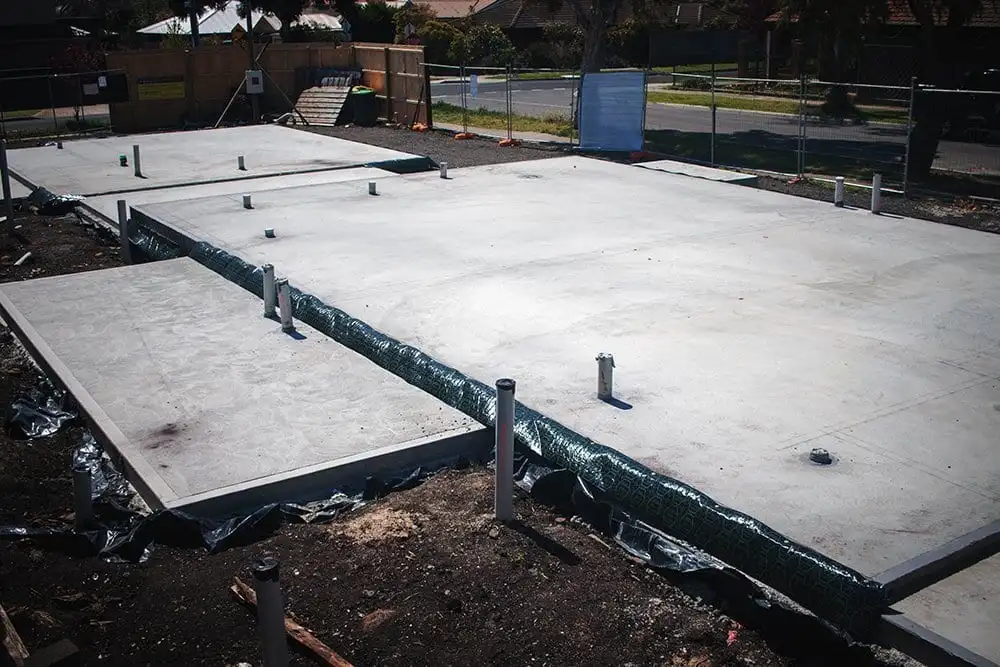
Not every 20 x 20 concrete slab is the same, and the type of project has a significant impact on the cost. A simple estimate of a 2-car garage will be more, as concrete and reinforcement will be in a thicker form. The average prices are between $2600 and $7000, which include the preparation of the site, smooth or broom finish and reinforcement of the edges to ensure that they last.
Patio
Prices are even lower in the case of a patio with an average price of between $1,800 and 5500 dollars depending on the decoration finish that could be stamped, colored or polished concrete. These upgrades are added to the aesthetics and increase the prices.
Shed
When you are constructing a shed, it is easier with the slab, which is 4 inchesinches in thickness, with less reinforcement, which costingcosts between $700 $4900. It can be used in storage areas or in the garden sheds where heavy items are not anticipated.
Driveway
In the case of a driveway, a strong slab is very important. Prices will range between $1700 $6500+, where there is reinforcement with wire mesh or rebar and smooth or decorative finish. A stamp or coloured finish upgrade is a way of enhancing the visuals of the house, but at a modest additional cost.
Choosing the Right Concrete Type for Your Slab
All Purpose Concrete
The choice of the type of concrete used is the determinant of long-run efficiency and economy. All-purpose concrete is ideal for use in sheds, patios and for light use. It provides a combination of strength, durability and affordability and ranges between $130-$180 a cubic yard at a PSI of 3000-4000.
High-Strength Concrete
High-strength concrete should be used when the weight is heavy such as in garages or driveways. It has a PSI of 4000-5000, thus it is used in heavier transportation and it minimizes the cracking risks through it is more expensive.
Reinforced Concrete
The final option is reinforced concrete to use in the foundations as well as for load-bearing purposes. It has rebar or wire mesh incorporated, therefore capable of withstanding 6,000+ PSI, which means it is as durable as possible. The cost is higher, although it will save on expensive repairs and prolong the life of the slab.
Replacing or Renovating an Existing Slab
Intend to replace a slab? Add in exclusion, waste and other pre-processing expenses. The average cost of removing a slab is between 3 and 6 per sq ft, and site preparation and base material will cost an extra $1-2 per sq ft. Permits and inspections are another thing that must be considered; depending on where you live, these costs range between 100 and 300.
Failure to do this can cause settling to be uneven, cracks or moisture problems that could be more expensive to repair than doing it during the first removal. Using the tools of Estimation, you can estimate the correct renovation costs and prevent unexpected finance.
Concrete vs Cement: What You Need to Know
It is important to know the distinction between concrete and cement to select the appropriate slab material.
Concrete
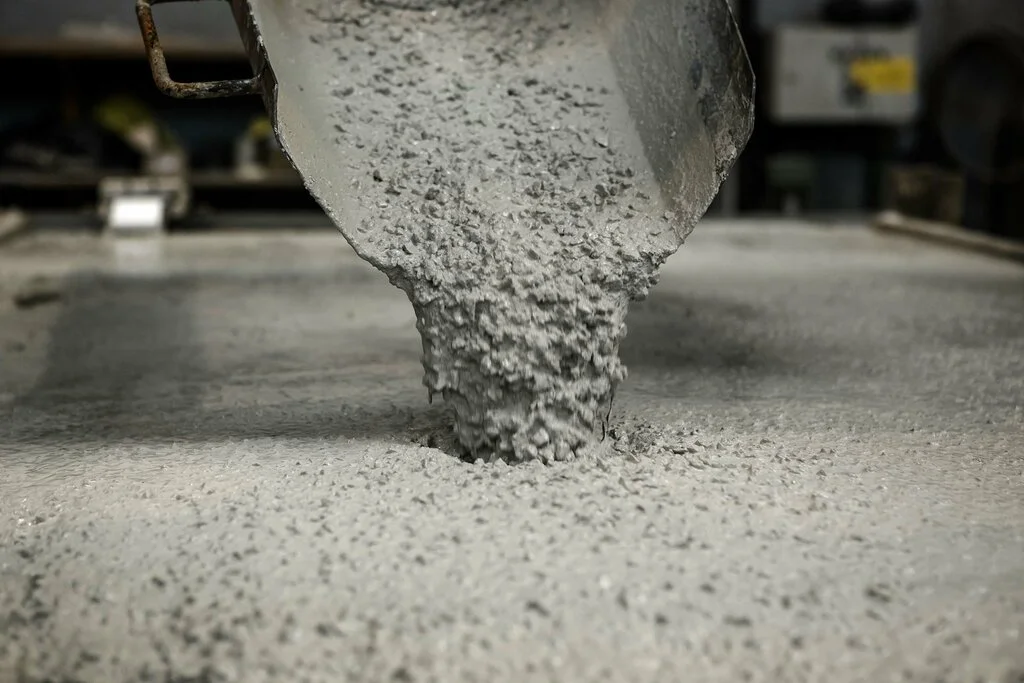
Concrete is a combination of cement, sand, gravel and water, which is made strong and durable. It is perfect in slabs, driveways, patios and foundations.
Cement
Cement is however just the bonding material and can not be used on its own in structural slabs. The correct material can help make your 20×20 slab durable enough to use daily, to bear heavy loads, to withstand the weather and not to crack or get moist or even old.
Ready to Plan Your 20×20 Concrete Slab with Confidence?
Stop guessing and begin planning! At Estimation, we provide:
- Free slab calculators to take proper cost estimates.
- Checklists and step-by-step worksheets can be downloaded.
- Professional advice by local specialists.
Our professionals assist you in selecting the material, slab thickness, reinforcement and finish alternatives to make your slab resilient, economical, and durable.
Get Your Free Custom Estimate Today, and be sure to make the first step towards a perfect 20X20 concrete slab. Don’t leave your slab to chance and plan it right with Estimation.
Conclusion
Plan Your 20×20 Concrete Slab Cost with Confidence
Knowing the actual price of a 20-by-20-foot concrete slab assists you in saving unexpected costs and also staying within the budget, making smart material and design choices. The type of projects and the thickness of the slab to be used, the type of concrete, reinforcement and site preparation are each determiners of the overall cost. Depending on material, finish, and the local labor costs, a small shed slab may cost as little as $700 but a heavy-duty garage or driveway may require as much as 7000 plus.
Do not make such mistakes as neglecting proper subbase preparation, insufficient reinforcement or omitting permits, which may result in cracking, water retention and expensive remedies. Both in an amateur project and in a professional project, careful planning and proper estimates are a must.
At Estimation, it is easy. Take your free custom quot to plan your project to the last detail. Eliminate the guesswork in your project of a 20×20 concrete slab and make sure it is durable, cost-efficient and long-lasting.
Begin your estimate now and have confidence in your slab project!
FAQs
How thick should my 20×20 slab be?
The slab thickness is determined by the intended use. In the case of patios and sheds, a 4-inch slab is normally enough. In the case of garages or driveways, a 6-inch slab reinforced at the edges is suggested to support heavier weights to avoid cracking.
What PSI concrete do I need?
The concrete strength (PSI) must correspond to the needs of the project. Light-use (3,0004000 PSI) concrete is used in patios, sheds and other areas of light use. Driveways and garages should be made out of high-strength concrete (4,000–5,000 PSI). In contrast, in the case of foundations or other uses that require heavy-duty, one should use reinforced concrete (6,000+ PSI).
When do I need reinforcement?
Slabs that will carry large loads, face constant traffic or deter cracking require reinforcement. Apply wire mesh, rebar or fiber mesh on garages, driveways or of places that are likely to move. When the slabs are used lightly, a low level of reinforcement can be adequate.
What is the impact of the finish types on the cost?
The choice of finish is also a major factor, depending on your total cost of the slab. Standard broom or smooth finishes are cheap, whereas stamped, colored, polished, or exposed aggregate finishes are costly in terms of labour and materials. Ornamental finishes increase appearances and house prices.
How long until I can walk or drive on it?
After 24-48 hours, concrete is usually ready to support a person. In the case of driving loads or heavy loads, the partial strength may require 7 days, and the full strength may require 28 days. Long-term durability and prevention of cracks are guaranteed by proper curing.
What is the frequency of varying costs of material and labor?
Changes in concrete and labor costs occur because of market conditions, supply chain problems, and seasonal demand. This is suggested because getting up-to-date estimates with the help of such tools as the cost calculator of Estimation, before beginning a project, is better than checking current rates and receiving a correct up-to-date forecast.
